

Your cart is currently empty!
Category: Uncategorized
23
October 2026
Real-Time Vaccine Temperature Monitoring for Pharmaceutical Supply Chains
Objective In this blog, you will learn how Vaccine Temperature Monitoring enables Pharma teams to monitor storage and transport conditions of vaccines, respond to changes in temperature, and retain reliable records along the vaccine supply chain. Key Takeaways It is important to remember that a vaccine’s quality can be affected by a change in temperature, […]
Read More >>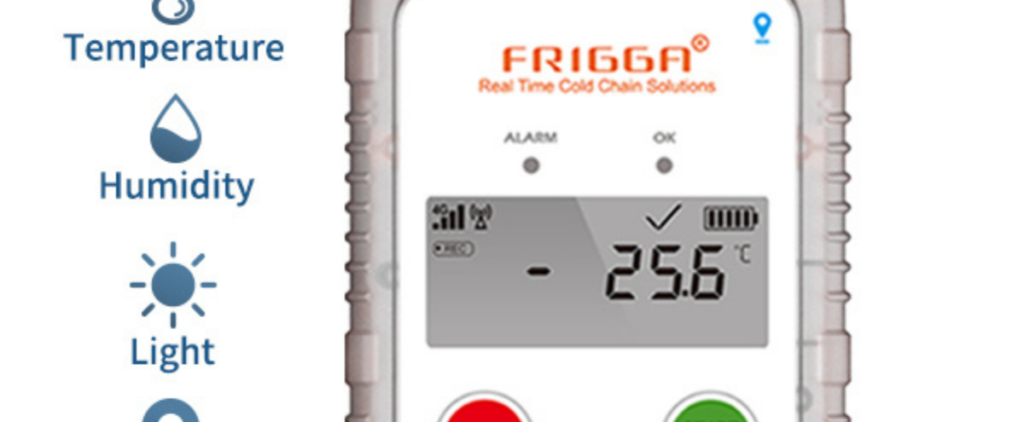
21
October 2026
How Frigga T71 Pro Improves Temperature Monitoring During Pharmaceutical Shipping
Objective This blog explains how utilizing real-time monitoring allows logistics partners to monitor shipment conditions to detect any risk of temperature excursions while collecting critical transport documents. Key Takeaways Shipment temperature monitoring in real time gives more insight into conditions en route. Temperature alerts enable teams to start investigating potential deviations early. Adding GPS and route data […]
Read More >>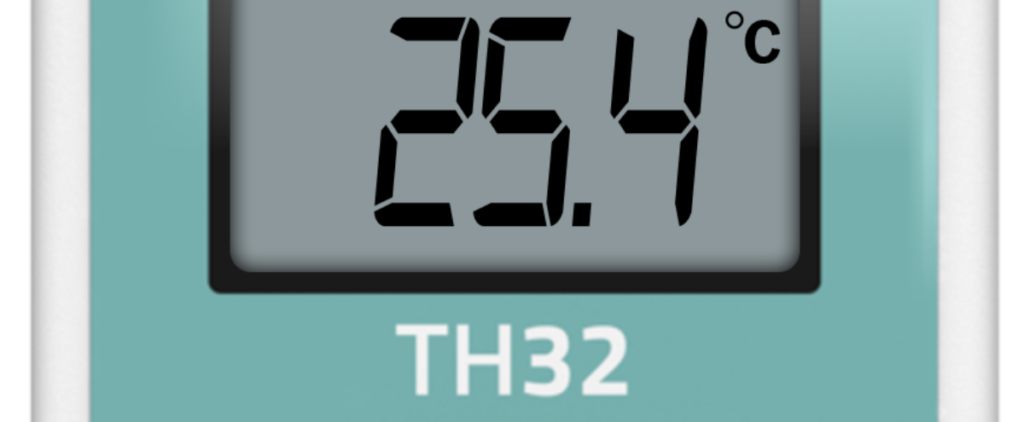
19
October 2026
How USB Temperature Data Loggers Help Maintain Pharmaceutical Storage Conditions
Objective This blog explains how USB Temperature Data Loggers help pharmaceutical teams capture data related to storage conditions, detect changes in data, and retain data for quality reviews in an easy-to-access format. Key Takeaways Temperature data is recorded by a USB Temperature Data Logger at user-defined time intervals and stored for later retrieval. Review of […]
Read More >>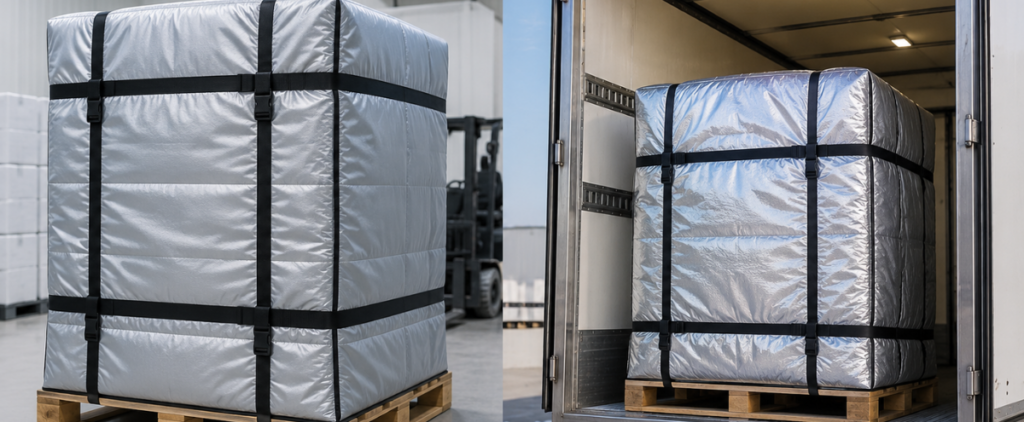
16
October 2026
Importance of Reflective Thermal Covers in Summer Cold Chain Transportation
Objective In this blog, we’ll talk about how reflective thermal covers can protect temperature-sensitive shipments during summer shipping, how they work, and how businesses can select the right cover for their cargo. Key Takeaways Reflective insulated pallet covers may serve as an additional measure of protection during loading, unloading, and transport. The choice of the […]
Read More >>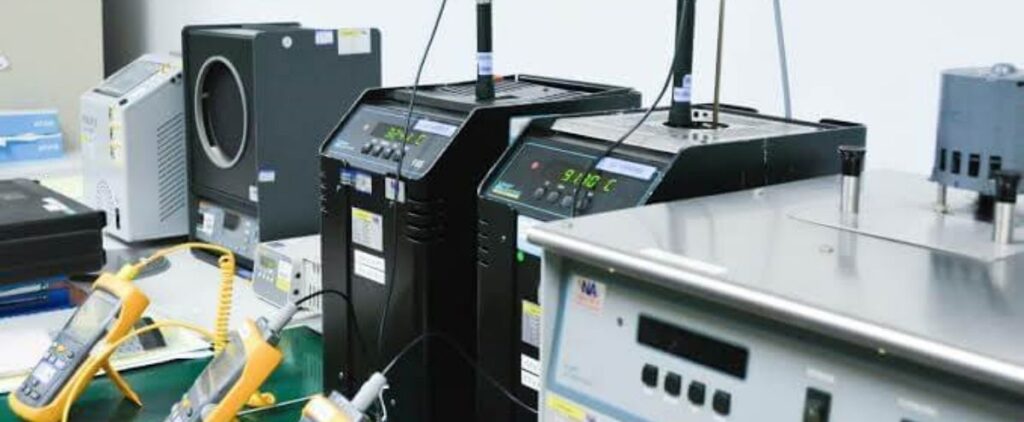
15
October 2026
Humidity Sensor Calibration for Laboratories: Accuracy, Standards, and Best Practices
Objective This blog is about how a lab maintains the accuracy of its humidity measurements, what standards are applicable, and how Tempnote’s NABL Calibration Service and TH32 logger tie into this. Key Takeaways Calibration compares your sensor with a trusted reference, so any error is found and recorded. Tempnote’s NABL calibration covers humidity, temperature, pressure, […]
Read More >>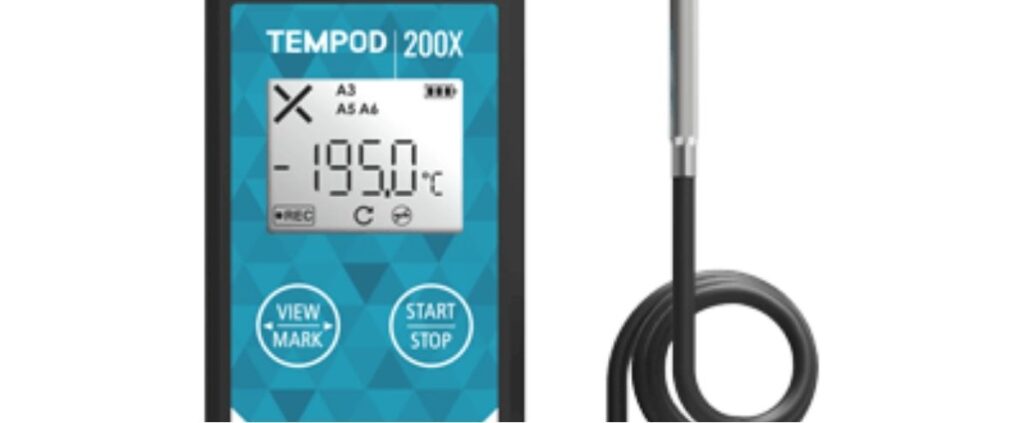
13
October 2026
Benefits of Using an Ultra-Low Temperature Data Logger for Cryogenic Storage
Objective This blog aims to explain how an Ultra Low/LN2 Temperature Data Logger can assist laboratories in monitoring conditions of cryogenic storage, reviewing changes in temperatures, and protecting valuable samples, whilst also ensuring the facilities create and retain adequate records. Key Takeaways An ultra-low-temperature data logger records temperature readings over time in ultra-cold storage environments. […]
Read More >>
12
October 2026
How Temperature Monitoring Helps Prevent Food Spoilage and Contamination
Objective To prevent food spoilage, temperature fluctuations must be monitored, and storage and transport processes must be controlled. Temperature monitoring helps accomplish this. Key Takeaways Even small temperature changes can hurt food quality and raise safety risks. Food temperature monitoring equipment lets teams keep an eye on conditions in storage and in transit. Data loggers […]
Read More >>
09
October 2026
How an ISO 17025 Calibration Lab Ensures Accurate Temperature Measurements
Objective This guide explains how an ISO 17025 calibration lab tests temperature instruments. It covers reference standards, measurement uncertainty, and calibration records. This helps you make better decisions about temperature monitoring. Key Takeaways ISO/IEC 17025 sets requirements for the competence of testing and calibration laboratories. Temperature instruments are compared with suitable reference standards at defined […]
Read More >>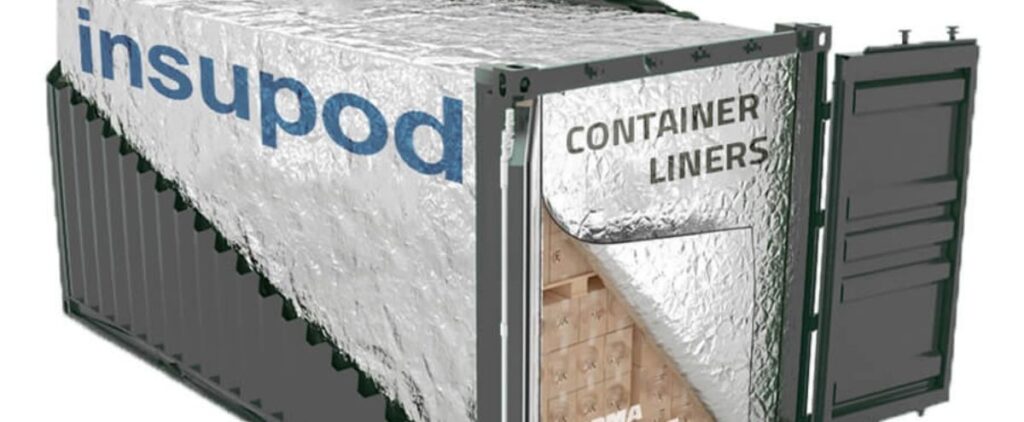
08
October 2026
How Stackable Thermal Covers Help Maintain Product Temperature During Transit
Objective This guide describes how thermal covers function, the importance of a stackable design to logistics personnel, and evaluation criteria for choosing one for transport of temperature-sensitive shipments. Key Takeaways Thermal covers minimize the impact of outside temperature fluctuations while in transit. Materials that reflect and insulate can slow the exchange of temperature. Thermal covers […]
Read More >>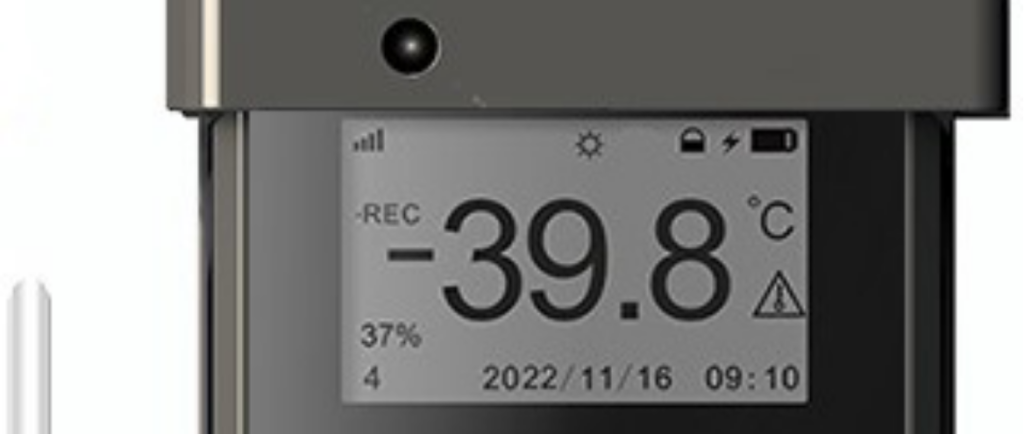
06
October 2026
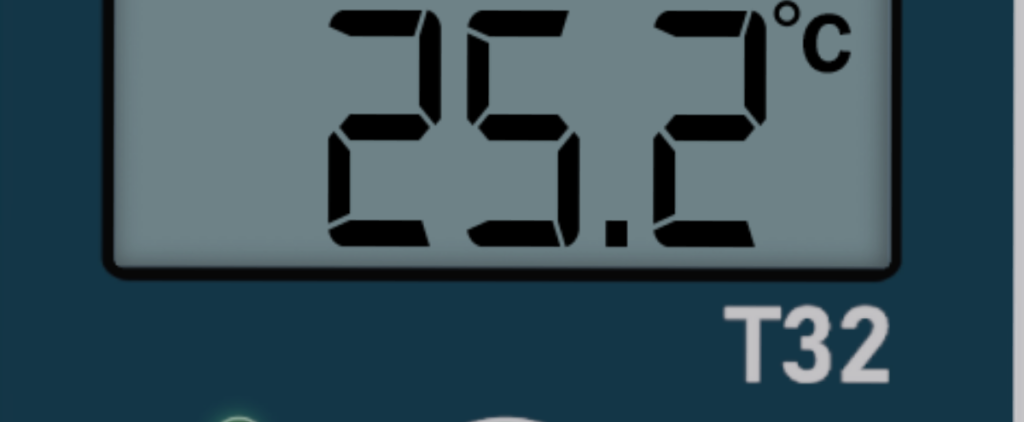
How a Reusable Temperature Data Logger Improves Cold Chain Monitoring
Objective This blog shows how a multi-use logger keeps your cold chain records clear and your cargo safer and which Tempnote model fits your route. Key Takeaways A multi-use logger records the whole trip, then gets set up again for the next one. The Tempnote T32 covers -30°C to +70°C and runs on a replaceable […]
Read More >>