Your cart is currently empty!


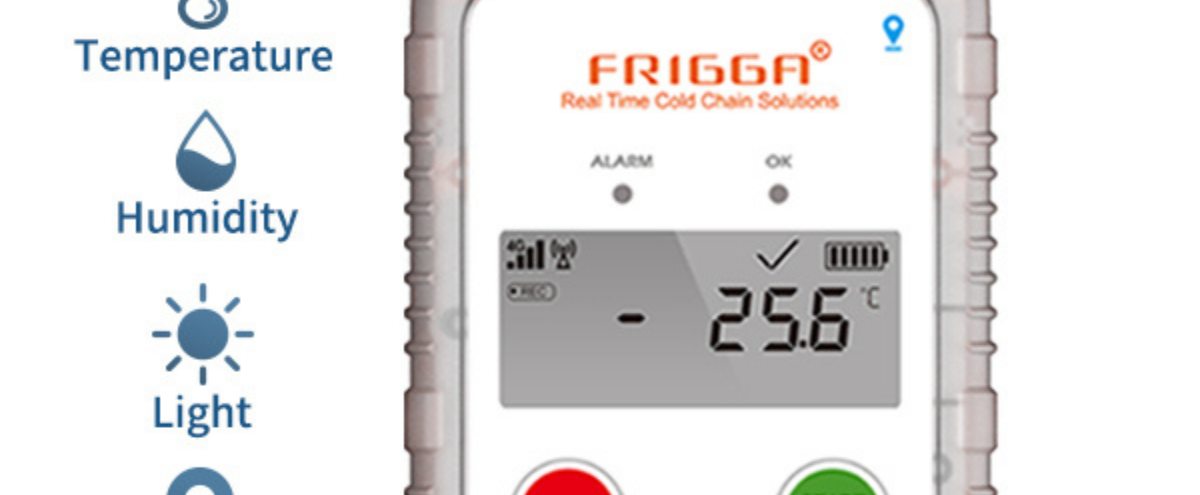
This blog explains how utilizing real-time monitoring allows logistics partners to monitor shipment conditions to detect any risk of temperature excursions while collecting critical transport documents.
A pharmaceutical shipment can be late and still have no quality issue if appropriate storage conditions are maintained en route. To pharmaceutical manufacturers, distributors and logistics providers, what happens between dispatch and delivery is just as critical as checking the shipment on arrival.
Temperature changes may take place during airport transfers, customs delays, loading, and temporary storage. If the right records aren’t there, your people could be left wondering when something went wrong, and what to do about it.
The Frigga T71 Pro helps address this challenge through temperature monitoring, shipment tracking, alerts, and digital reporting. Let’s look at how these features support safer, better-documented pharmaceutical transportation.
Pharmaceutical products may need to be kept under certain temperature conditions to retain quality, stability, and effectiveness. These differ from product to product, and it is essential for the logistics team to adhere to the manufacturer’s instructions for storage and transportation.
The World Health Organization (WHO) issues recommendations for the storage and transportation of time- and temperature-sensitive pharmaceutical products. Its recommendations stress the need for suitable handling, transport controls, and records of temperature monitoring.
Temperature changes may occur because of:
For example, a refrigerated medicine shipment may experience a delay while waiting for its next flight. Even if the cargo reaches its destination on schedule after the delay, the logistics team still needs evidence of the conditions during that period.
Why does this matter? Temperature monitoring helps teams identify possible deviations and investigate them using recorded data rather than relying on assumptions.
A Frigga T71 Pro data logger records the conditions of the shipment and allows monitoring from anywhere via the Frigga Cloud platform. Features include temperature monitoring, humidity monitoring, shock monitoring, lighting monitoring, location information, and travel tracking. These capabilities enable logistics teams to evaluate more than just the end temperature value.
Key features for pharmaceutical transportation
| Feature | How it helps your team |
|---|---|
| Temperature monitoring | Records temperature conditions during transit |
| Real-time cloud monitoring | Provides access to available shipment data remotely |
| Temperature alerts | Notifies teams of configured deviations |
| GPS and route tracking | Adds location and route context to shipment records |
| Humidity monitoring | Helps assess moisture-related conditions when relevant |
| Shock and light monitoring | Provides additional information about handling and possible exposure |
| PDF and CSV reports | Supports shipment reviews and digital recordkeeping |
The device supports a temperature measurement range of −40°C to +80°C, according to its published technical specifications. It also offers rechargeable, multi-use operation and storage for up to 50,000 readings.
Make sure that you verify the present-day product datasheet, sensor setup, and accuracy of measurements prior to selecting a device for a particular pharmaceutical shipment.
Monitoring of shipment temperature in real time provides logistics teams with shipment information as soon as it becomes available while the goods are still in transit. This enables them to look into problems prior to delivery, instead of just depending on logs gathered at the destination.
Depending on their monitoring procedures and the product’s transport needs, teams can set appropriate alert thresholds. When the device signals a possible violation, the relevant personnel can check the data and proceed with the approved course of action.
An alert does not correct the temperature problem. However, it can help your team recognize a potential issue and investigate it sooner.
Temperature readings become more useful when teams can review them alongside shipment location and route information.
For instance, if a shipment is held up at an airport, team members can review data and route information in a series of readings to determine when it was rerouted. They can then alert the quality team and determine the next course of action.
A suitable cold chain temperature monitoring device should provide information that supports clear decisions, not simply collect readings without a plan for reviewing them.
Temperature records help quality assurance teams confirm whether a shipment stayed within the required conditions. They can also provide useful evidence when a review is needed.
Digital reports make it simpler to review temperature readings and highlight any periods that may require closer attention. PDF and CSV files are also practical tools for teams to store and analyze shipment data.
If temperatures went beyond the permitted range, the quality team shall assess the duration of the deviation, the recorded data, the stability information of the drug, the applicable SOPs, and then determine if the batch can be released or not.
The U.S. Food and Drug Administration also emphasizes the need to maintain appropriate shipping conditions and supporting records for applicable regulated products.
For your team, the practical benefit is straightforward: reliable records support a more informed review of what happened during transportation.
It is important that you prepare, place, and have a response process for a monitoring device to be effective. Follow these steps before and during dispatch:
Practical tip: Assign a named team or role to receive alerts prior to dispatch. An alert has limited value if no one knows who is responsible for evaluating it or what action to take.
Do not forget that a data logger measures and records conditions. Proper packaging, qualified transport solutions, and response procedures are still necessary to ensure the protection of pharmaceutical products.
Pharmaceutical temperature monitoring solutions provide logistics teams with the data they need to know what happens with their products between dispatch and delivery. Data records, alerts, route information, and digital reports help facilitate investigations and quality decisions. Your choice of monitoring solution must be appropriate for your product requirements, transport routes, and record-keeping practices.
The right monitoring solution should fit your product requirements, transport routes, and recordkeeping procedures.
Ready to improve shipment visibility? Visit Tempnote’s official product page to review the device specifications and determine whether it meets your pharmaceutical transportation needs.
The Frigga T71 Pro is a rechargeable device designed to be used more than once. In addition to providing alerts and digital reports, it records temperature and location during shipping.
Temperature records help teams check whether medicines may have been exposed to unsuitable conditions during transit. They can also support investigations into possible temperature problems.
The published range is −40°C to +80°C. Check the latest product information and confirm the sensor’s range before using the device.
No. The logger records conditions and sends alerts, but appropriate packaging, transport procedures, and timely action by staff are also essential to preventing temperature problems.
Reports provide historical shipment data that teams can review during quality checks, deviation investigations, and transport recordkeeping.
