Your cart is currently empty!


This blog explains how USB Temperature Data Loggers help pharmaceutical teams capture data related to storage conditions, detect changes in data, and retain data for quality reviews in an easy-to-access format.
A refrigerator can look perfectly normal while its temperature records tell a different story. There are several causes for temperature excursions that may not be evident to the human eye.
That is why pharmaceutical teams need more than occasional manual checks. A USB Temperature Data Logger for Pharmaceuticals records temperature changes over time, giving you useful information to review when storage conditions change.
Did you know? In January 2026, WHO released a tool on Cold-chain equipment and dry-store temperature mapping, and recognized temperature mapping and monitoring as instruments for identifying the causes of alterations in temperature storage conditions and for enabling the maintenance of correct storage conditions.
The efficiency and quality of the drug will be at risk if it is kept at temperatures other than those recommended. This will depend on the nature of the drug, the duration of time it stayed at that temperature, and the temperature level.
Products such as vaccines, insulin, and biologics might require special care during storage. The pharmacy team must follow the directions provided for each particular medicine since storage requirements may vary from one medicine to the next.
Manual checks show the temperature condition at a given instance. They may not show what condition it was in between checks, for example, overnight or during staff change.
For example, a refrigerator could experience a cooling fault at 2 a.m. and return to its normal range before the morning check. Without historical records, staff may struggle to establish when the problem began.
A USB Temperature Monitoring Device can help fill this information gap by recording readings throughout the configured monitoring period.
A USB Temperature Data Logger is an electronic device that measures temperature and stores readings at configured intervals. Users can retrieve the recorded information through a compatible USB connection and review the results on a computer.
The process usually involves four steps:
Depending on the model, reports may include timestamps, recorded readings, and summary information in PDF or CSV format.
A temperature excursion occurs when a recorded temperature falls outside the specified range for a product or storage process.
A logger can help identify when such a deviation occurred. Your quality team can then review the records, assess the possible impact, document the findings, and follow the facility’s procedures.
Remember, a logger records conditions. It does not decide whether an affected medicine remains suitable for use.
A suitable USB logger gives pharmaceutical teams a clearer record of storage conditions. Its main value lies in the information it provides and how staff use that information.
Historical readings help determine trends, changes, and differences in storage conditions. This is useful to track conditions in refrigerators, cold rooms, and controlled storage units.
In addition to making stored conditions and readings available, the logger can help with records management for internal reviews and documentation, as well as support the preparation for audits, if the device and record-keeping process meet the requirements.
Some products require humidity monitoring as well as temperature measurement. In such cases, a combined logger may provide useful environmental records.
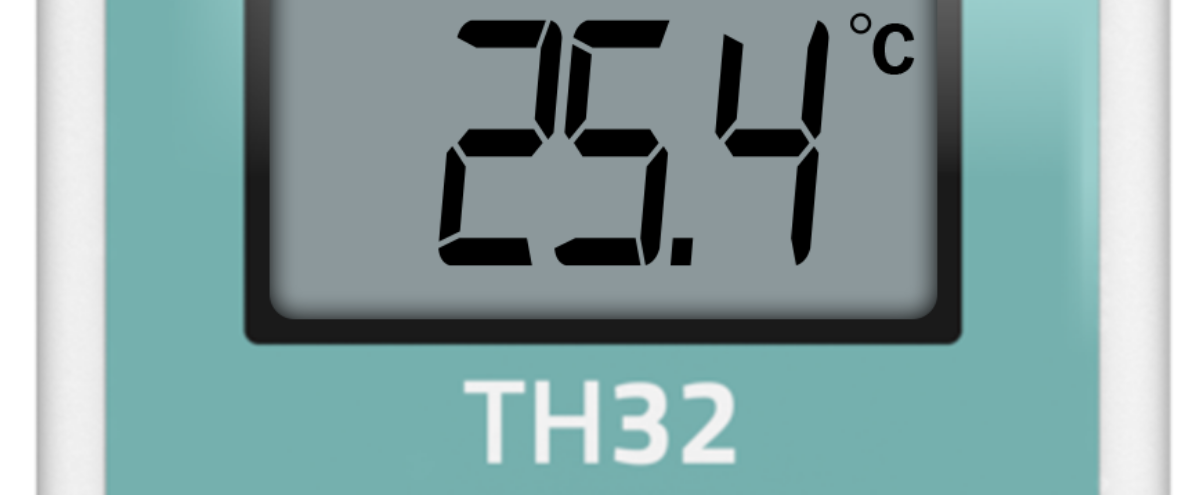
For example, the Tempnote TH32 records temperature and relative humidity. Its published specifications include a temperature range of −30°C to +70°C, humidity measurement from 0% to 100% RH, and PDF/CSV reporting. Check the manufacturer’s documentation to confirm whether its specifications meet your application.
There are a number of uses for USB loggers to assist temperature monitoring, including:
For more information on temperature mapping and monitoring, please see the guidelines provided by the World Health Organization.
Not every logger suits every pharmaceutical application. Review these points before selecting a device.
| Selection factor | What to check |
|---|---|
| Temperature range | Does it cover your required storage conditions? |
| Accuracy | Is the stated measurement accuracy suitable for your needs? |
| Recording interval | Can you set an interval that captures useful temperature changes? |
| Memory capacity | Can the device store enough readings for the monitoring period? |
| Reporting | Does it provide the PDF or CSV format your team needs? |
| Calibration and documentation | Are the required records and supporting documents available? |
| Humidity measurement | Do your products or storage procedures require humidity records? |
For example, the Tempnote T32 is a reusable temperature logger with USB 2.0 connectivity, configurable recording intervals, memory for 32,000 values, and PDF/CSV reporting. Its published measurement range is −30°C to +70°C, with stated accuracy of ±0.5°C across that range.
These specifications help you assess the device, but you should confirm suitability against your actual storage and quality requirements before purchasing.
A good monitoring process depends on more than buying the right device. Your team needs clear procedures for setup, review, and response.
Practical tip: Confirm timestamps cover the appropriate time period and that there are no unexplained gaps in your record. This simple check may help you uncover missing information before quality review.
For more options, explore a Digital USB Temperature Logger and compare the available specifications with your monitoring needs.
It is also important to have accurate measurements, clear records, and timely action when temperatures move outside approved limits to maintain pharmaceutical storage conditions. A good USB Temperature Data Logger lets your team look back at temperature history, investigate possible excursions, and help with quality documentation.
You should consider the accuracy, recording interval, memory capacity, reporting capabilities, and compatibility with your storage environment before choosing a device.
Do you want to improve your pharmaceutical temperature monitoring? Discover Tempnote’s USB data logger choices and select a model that meets your facility’s requirements.
It is a type of data logging equipment that is used to take temperatures and log them at specific time intervals. These devices allow temperature data retrieval using a USB port.
With the help of historical temperature data, staff can analyze any temperature discrepancies in storage. It aids your current procedure but doesn’t act as a replacement for it.
Yes. It may record any readings when temperature readings go out of the required temperature range. However, the alarm system depends on the specific product.
Verify the temperature range, accuracy, recording interval, storage capacity, and reporting options.
If properly selected and used, they can support temperature documentation. Regulations, recordkeeping, and procedures also play a role in compliance.
