Your cart is currently empty!


To prevent food spoilage, temperature fluctuations must be monitored, and storage and transport processes must be controlled. Temperature monitoring helps accomplish this.
Introduction
From the outside, a refrigerated truck can look perfectly fine. Inside, the food may already be warmer than it should be. Maybe the cooling unit is struggling. Maybe the delivery ran late. Maybe someone left a door open a little too long during loading. Any of these can put a whole shipment at risk, and if you only find out after delivery, you’re left with wasted stock, extra costs, and some uncomfortable safety decisions.
That’s where food temperature monitoring comes in. It helps businesses track conditions during storage and transportation, so problems show up while there’s still time to act. The USDA defines the food safety danger zone as 40°F to 140°F, the range where bacteria can multiply quickly. Under the right conditions, some bacteria can double in number in as little as 20 minutes.
If you run a food manufacturing plant, a distribution business, a warehouse, or a cold chain operation, reliable temperature records help you spot trouble early and make better calls.
Food temperature monitoring simply means measuring and recording temperatures to confirm that products stay within the required limits while they’re stored, handled, and moved.
Picture a distributor delivering milk and cheese to several stores. Halfway through the route, the truck’s refrigeration fails. The driver, busy with the next drop-off, doesn’t notice. Without a record, nobody knows when it happened or how long the load sat warm. With a temperature logger on board, the team can see when the readings started to climb and work out which goods were affected.
That’s the real value. Without reliable records, staff end up making decisions based on guesswork. With them, they have evidence to look at and a clearer idea of what to do next.
Temperature influences both food quality and the growth of harmful microorganisms. When conditions aren’t right, shelf life shrinks, and the risk of foodborne illness goes up.
Spoiled food often gives itself away through an odd smell, color, or texture. Harmful pathogens are sneakier because they can be present without any visible sign. In other words, you can’t judge whether food is safe just by looking at it.
So real food spoilage prevention takes more than a quick visual check. Temperature monitoring helps you catch conditions that encourage microbial growth, but it can’t detect every pathogen or chemical contaminant. Good sanitation, keeping raw and ready-to-eat foods apart, and safe handling all remain essential for food contamination prevention.
The right equipment depends on what you store, where you store it, and how it travels.
| Equipment | Main purpose | Best use |
|---|---|---|
| Temperature data logger | Records readings at set intervals | Shipments and storage reviews |
| Real-time monitoring device | Sends updates and alerts | Transit that needs a quick response |
| Refrigerator thermometer | Checks appliance temperature | Refrigerators and freezers |
| Temperature and humidity logger | Records both conditions | Environments where humidity matters |
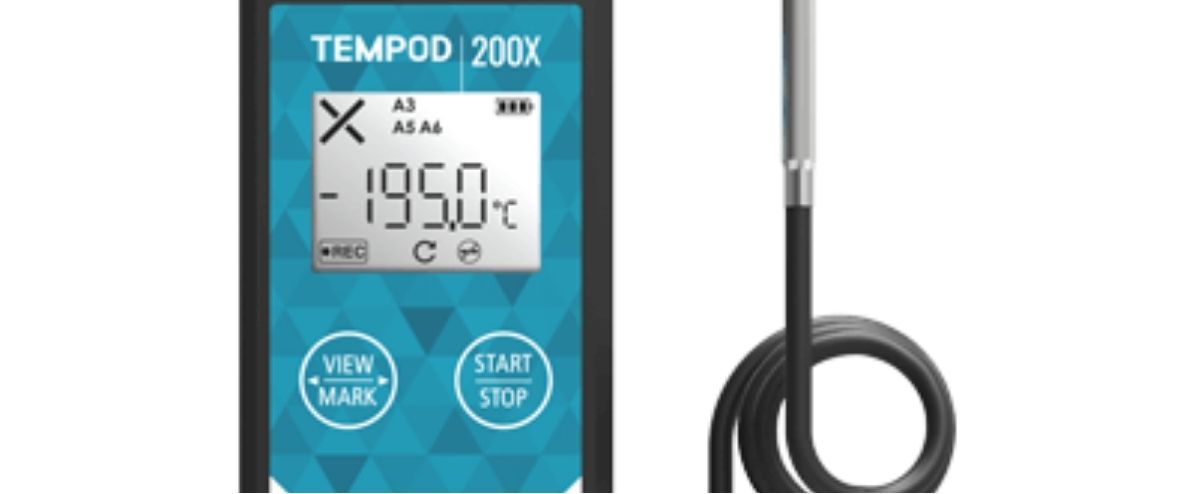
Food temperature monitoring equipment helps your team understand what actually happened during storage or transit. Standard loggers give you a record to review afterward, while real-time devices can alert staff the moment readings go past the limits you’ve set.
Tempnote offers temperature data loggers, real-time monitoring options, and temperature and humidity logging products. Its TH32 logger, for example, records both temperature and humidity and supports PDF and CSV reports. As with any device, check the specifications to make sure it suits your operating conditions.
Anywhere food is required to be within controlled temperatures, temperature monitoring is required as well.
Temperature monitoring enables staff members to monitor various refrigerated storage areas and test the temperature of storage media. Checks may reveal cooling problems before they affect other stock.
Temperature swings during transit can occur for a variety of reasons, including equipment failures and long shipment routes. Data loggers can be used to capture and evaluate conditions against allowed limits.
There are various opportunities throughout a food distribution process for temperature monitoring to be utilized. The receiving department can review the condition of the shipment and determine the cause of a temperature excursion and what actions need to be taken to satisfy food safety and quality before accepting the shipment.
Simple, consistent practices work best to improve temperature controls. Consider the following practices:
Set controls: Understand required limits for all foods and processes.
Review records: Adequate temperature logs will help identify trends and/or deteriorations before they affect other food.
Respond to alerts: Assign a staff member to investigate and respond to documented alerts or temperature excursions.
Maintain equipment: Perform routine preventative maintenance to check and adjust controls as required.
Train staff: Staff should be educated and trained in food safety procedures and proper methods for reporting alerts.
A checklist to document temperature excursions is a good way to record critical information about the event, including what product was affected, timing, extent of the excursion, readings, action taken to correct the condition, and final safety decision.
The best food temperature monitoring devices for you depend on how your business stores and moves its products.
Before you buy, look at accuracy, measurement range, recording frequency, alarm settings, and reporting options. If your team needs to react while a shipment is still on the road, real-time monitoring will probably suit you better than reviewing records after delivery.
Tempnote offers data loggers with recorded temperature data and reporting features, plus real-time monitoring for shipments that need ongoing visibility. Its insulated thermal covers add another layer of protection against outside temperature changes, though they don’t replace proper refrigeration or monitoring.
Keeping a refrigerator running is only part of good food safety. Businesses also need to know whether products stayed within the required limits, and what to do when conditions shift.
Food safety temperature control gives teams the records to review, the clues to investigate problems, and the confidence to make informed decisions. Monitoring can’t guarantee that food is safe, but paired with proper refrigeration, sanitation, and handling, it puts you in a much stronger position.
Ready to tighten up your cold chain? Explore Tempnote’s temperature data loggers and monitoring solutions to find equipment that fits your storage and transportation needs.
According to the USDA, refrigerators should be at 40°F or lower. For more information on the specific storage requirements for your products, contact your supplier. You should also be aware of the food safety regulations that apply to your situation.
It allows you to identify undesirable storage or transportation conditions and address potential refrigeration unit problems before more food is spoiled.
According to the USDA, the danger zone is from 40°F to 140°F. Bacteria grow rapidly in this range. Perishable food should not be at this temperature for long and should not be left at room temperature for more than 2 hours, or 1 hour if the environment is above 90°F. This is especially true for food that is being transported. Commercial food operations may have additional regulations.
Yes. Data loggers can record temperatures during transport and allow you to investigate any irregularities in the shipment.
No. While temperature monitoring can help with the prevention of foodborne illnesses, it can not help if there is chemical or pathogen contamination. The same risks are present if the food is not properly handled and stored.
