Your cart is currently empty!


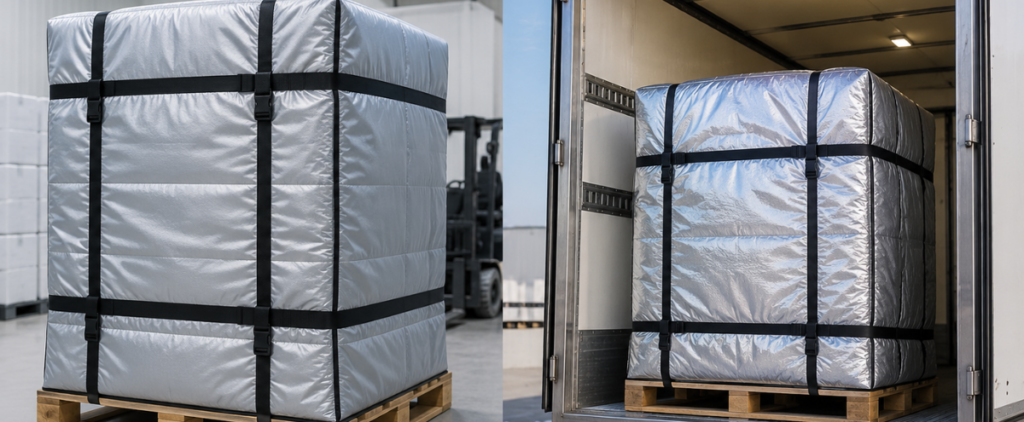
Objective This guide explains how Thermal Shipping Solutions work, helps potential customers compare thermal shipping solutions to active temperature-monitoring systems, and provides a checklist for determining the most appropriate shipping solution. Key Takeaways Thermal covers help reduce the impact of outside temperature changes. Packaging alone cannot tell you what temperature a shipment actually experienced. Data […]
Read More >>
Key Takeaways Traditional temperature monitoring devices transmit a single reading. Temperature data loggers transmit multiple time-stamped readings. By using data loggers, teams can assess the duration of excursions as well as when they occurred. The right logger depends on the product, temperature range, transport method, and monitoring needs. Good monitoring supports quality reviews, documentation, and […]
Read More >>
Objective Pharmaceutical cold chain compliance means keeping temperature-sensitive medicines within their labeled storage range during storage and transport, and holding records that prove it. The Frigga T70 Pro logs temperature, humidity, location, shock, light, and tilt, sends real-time alerts, and produces PDF and CSV reports. It supports your compliance process. It does not replace validation, […]
Read More >>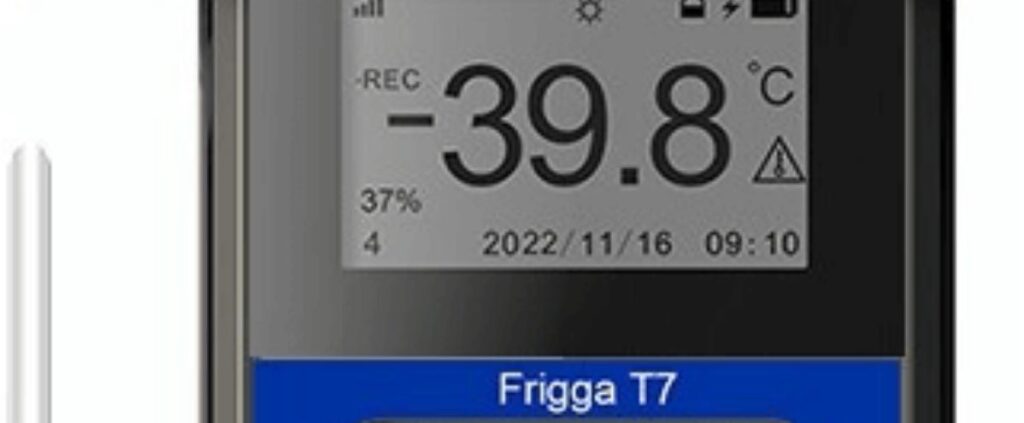
Objective This guide explains the benefits of using a GPS-based temperature monitoring system, identifies the circumstances under which the system could improve your business processes, and outlines the key aspects you need to evaluate in a monitoring solution. Key Takeaways A GPS Temperature Data Logger records temperature and shipment location data. Real-time monitoring can help […]
Read More >>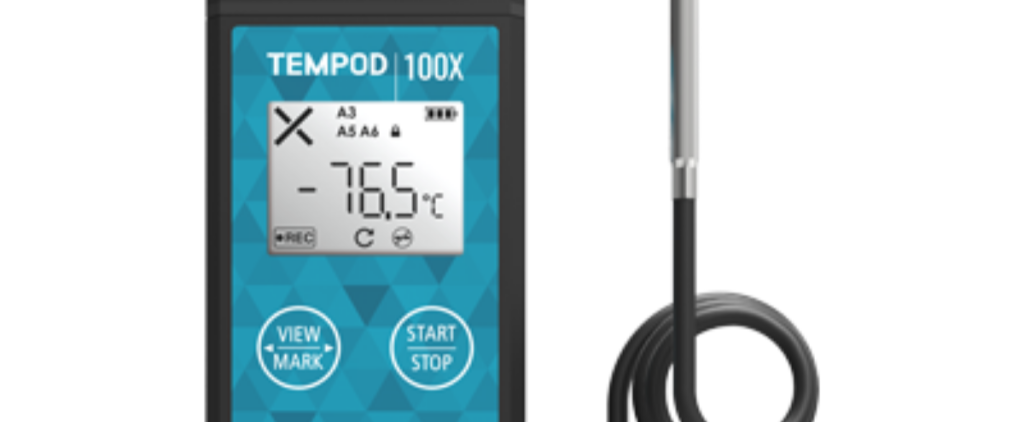
Objective Our goal is to explain why this type of logger is useful for shipment monitoring and how to tell if its specs are right for your shipping needs. Key Takeaways The device measures from −90°C to +70°C. It stores up to 28,800 temperature readings. The logging interval is programmable from 1 minute to 2 […]
Read More >>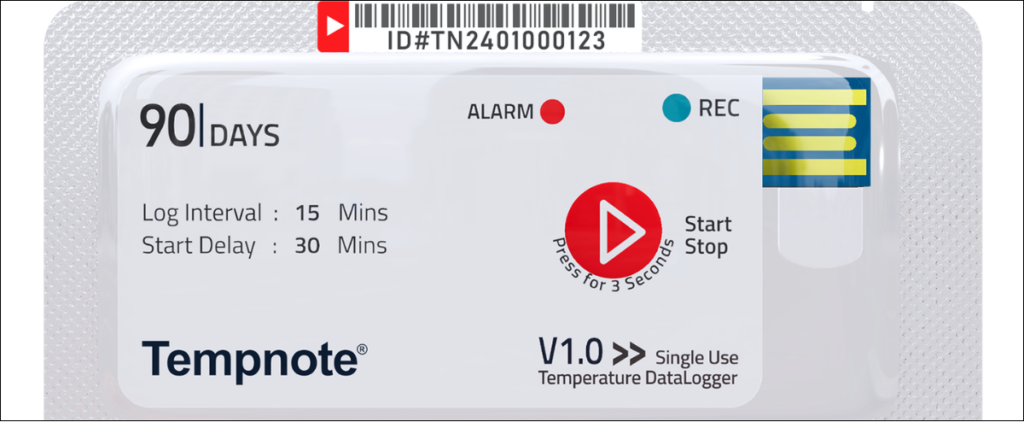
Objective The objective of this blog is to help you to understand the benefits of single-use temperature monitoring devices and the key considerations when selecting a device, from the perspective of pharmaceutical manufacturers, distributors, 3PL service providers, and quality assurance. Key Takeaways Temperature monitoring gives you a record of conditions during transit. Single-use devices can […]
Read More >>
Objective This guide explains what insulated container liners are, when you might need them, and what to consider when selecting one. Key Takeaways Insulated container liners provide cargo with a thermal protective barrier. Insulated containers aid in cargo protection from exposure to changing outer conditions. Your temperature range, transit time, shipment size, and outside conditions […]
Read More >>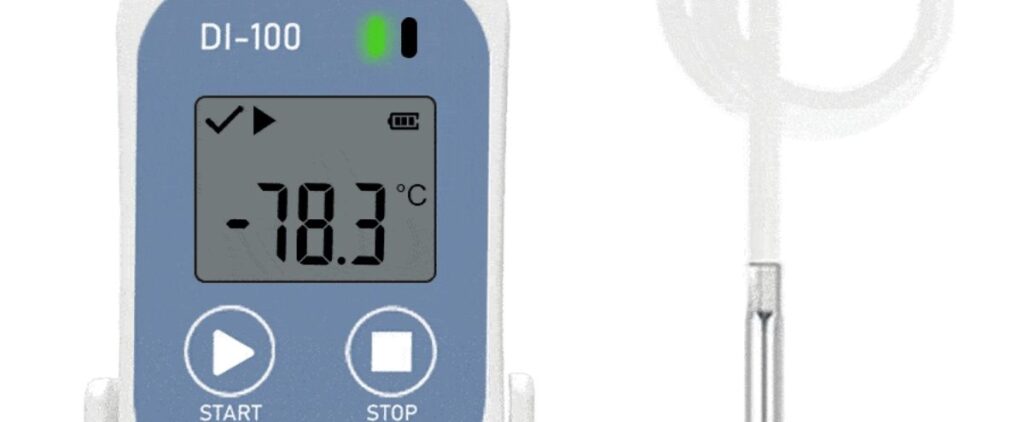
Objective This guide explains how a Digital Dry ICE Temperature Data Logger records temperature during pharmaceutical shipments, which features matter most, and how the data can support quality and cold-chain processes. Key Takeaways Dry ice shipments require monitoring suited to very low temperatures. A good logger records temperature at set intervals and stores the results […]
Read More >>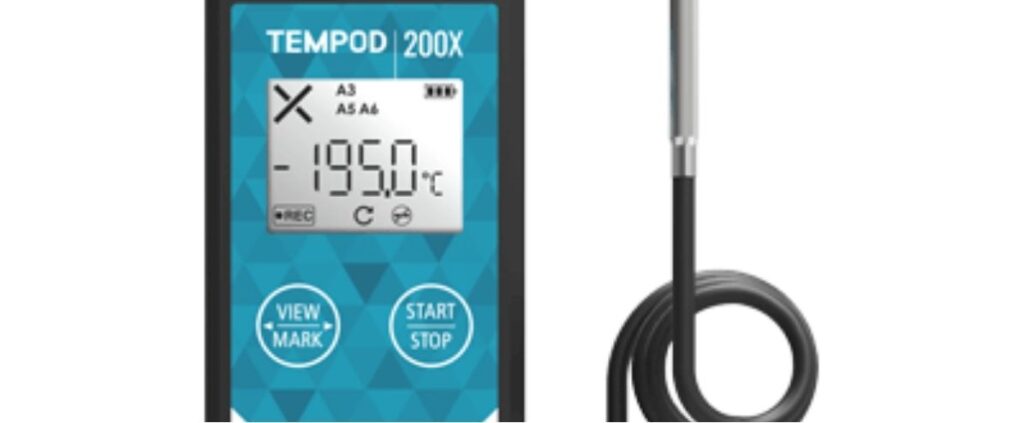
Objective Our goal is to make it simple for you to understand the ways in which you can use an LN2 logger can help in ensuring that your monitoring is accurate, what influences can affect how accurate your measurements are, and what you need to think about prior to deciding on a suitable facility. Key […]
Read More >>
Objective The objective of this blog is to help you to choose the right Thermal Box Covers by looking at temperature requirements, protection time, materials, shipment size, and monitoring needs. Key Takeaways Start with the medicine’s required temperature range. Match protection time with your actual transit and handling time. Compare material, thickness, reflectivity, and size. […]
Read More >>