Your cart is currently empty!


Our goal is to explain how insulated shipping envelopes can create a thermal barrier for cold chain logistics and can be used to create shipping solutions, as they are flexible and can ship less bulky items.
It is possible for a cold-chain shipment to leave a controlled warehouse in good condition and still be exposed to heat or cold during transportation, handling at the airport, or delivery. That is why the packaging around a temperature-sensitive product matters just as much as the transport itself.
Insulated shipping envelopes provide a practical thermal barrier that can help reduce exposure to outside temperature changes during suitable shipping conditions. They can be useful for pharmaceuticals, food, laboratory materials, and other temperature-sensitive products when the packaging is matched to the product and transit requirements.
An insulated shipping envelope prevents the effects of outside temperature changes on the contents of a package. They are a form of protective packaging designed with thermal insulation. They do not actively cool or heat a shipment like refrigerated equipment does. They provide passive thermal protection.
This distinction matters. WHO guidance for time- and temperature-sensitive pharmaceutical products covers safe storage and distribution practices and is intended for pharmaceutical professionals, logisticians, and regulators.
In practical terms, an envelope can add a useful layer of protection when a shipment moves between controlled areas, such as a warehouse, loading dock, delivery vehicle, or receiving facility.
Transport can cause rapid changes in external temperature. Insulated packaging helps to create a barrier between the shipment and its surrounding conditions.
tempnote’s thermal packaging information states that its thermal covers are meant to provide a barrier against external temperature fluctuations and are designed for short term transit or mild temperature fluctuations.
Many products cannot be shipped in standard packaging. Controlled conditions may be needed for medicines, biologics, laboratory materials, dairy products, and other temperature-sensitive products.
Insulated shipping bags, insulated mailers, or any other packaging that is thermal can give you an extra layer of protection for handling and transport.
Not all cold chain shipments need large pallet covers or special containers. Flexible packaging is easier to store and handle, and may work with smaller products.
An example of this may be a healthcare provider that ships a small temperature-sensitive package to a clinic. They may not need a whole pallet system, just a small thermal solution.
Having a consistent method for packaging may make packing a repetitive process, especially for companies that ship similar products on a regular basis.
That being said, packages should still be tested and selected based on the product, route, exposure time, and temperature range it needs to supplement.
| Use case | Why thermal packaging can help |
|---|---|
| Pharmaceutical logistics | Adds protection against outside temperature changes |
| Laboratory shipments | Helps reduce thermal exposure during transit |
| Food and dairy | Supports cold handling during suitable delivery conditions |
| E-commerce perishables | Practical for smaller direct shipments |
| 3PL operations | Provides an added packaging layer during transport |
For food shipments, USDA advises that perishable mail-order food should arrive frozen, partially frozen, or refrigerator-cold, below 40°F when measured with a food thermometer. USDA also recommends quick delivery and appropriate insulated packaging.
Start with four questions:
Tempnote lists thermal solutions for specific applications, including 2°C to 8°C and 15°C to 25°C products with different materials, thicknesses, and stated protection times.
This shows why choosing packaging by thickness alone is not enough. Your product requirements and shipping conditions should come first.
Here’s the thing: insulation tells you what the packaging is designed to help prevent; a temperature logger tells you what happened during the shipment.
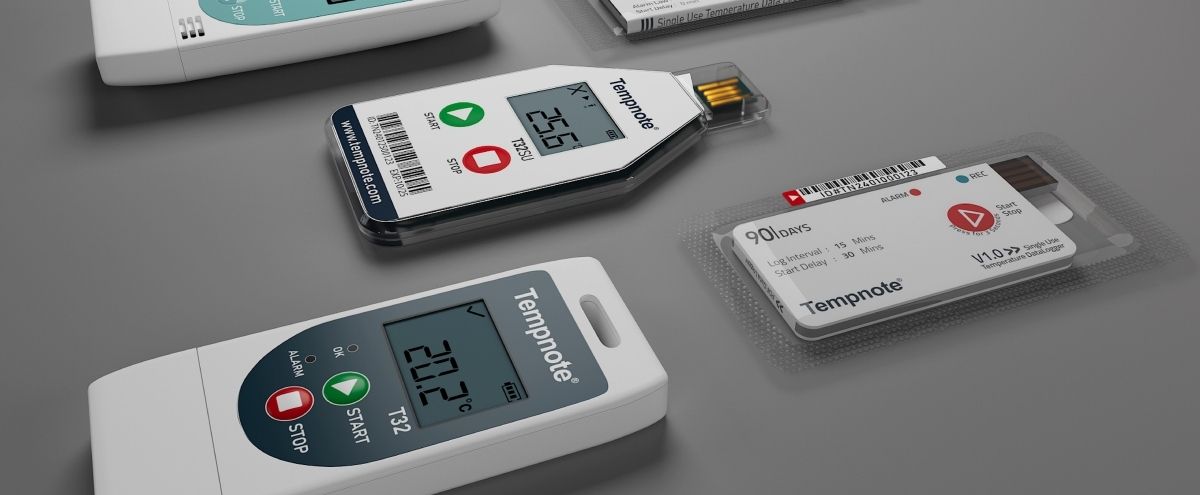
Tempnote provides temperature data loggers for applications including pharmaceuticals, food, laboratories, and cold-chain logistics. Its website also lists options with temperature recording, alarms, data reports, and airline-related approvals or certifications depending on the model.
For a regulated shipment, this recorded information can be valuable when reviewing whether transport conditions stayed within the required range.
As an example, consider a temperature-sensitive shipment from a pharmaceutical warehouse to a clinic.
The following process illustrates a possible approach:
Controlled storage → insulated packaging → temperature logger → transport → receiving → temperature-data review
The insulated packaging helps limit external thermal exposure. The logger records the shipment conditions. The transport process and product requirements determine whether the overall system is suitable.
That is the key point: no single packaging product should be treated as the entire cold-chain solution.
Before using Temperature Controlled Shipping Envelopes, make sure you:
Tempnote’s thermal packaging range includes insulated envelopes as well as box covers, box liners, pallet covers, and container liners, allowing packaging selection to vary according to shipment type and size.
The best Cold Chain Shipping Envelopes are not selected simply because they are insulated. You need to consider what you are shipping, the temperature it needs, how long it will travel, and what conditions it may face along the way.
Tempnote provides thermal packaging and temperature-monitoring solutions for industries including pharmaceuticals and biotech, fresh produce and dairy, frozen foods, and logistics and 3PL operations.
If you are reviewing your current Insulated packaging for shipping, start with your product and transport requirements, then choose the thermal protection and monitoring approach that fits your process.
They are designed to minimize the impact of external temperature variations on the shipping of temperature-sensitive products and are used within the framework of an appropriate shipping process.
They may work if the insulated mailers are compatible with the pharmaceutical shipping process and product temperature control.
No. They may only provide some thermal protection, but they do not address other fundamental aspects of cold-chain transport such as using adequate cold storage, providing temperature controls, and adjusting timings of thermal protection and monitoring of transport temperatures.
Some examples of shipments that may require insulated packaging are pharmaceuticals, food, dairy products, biologics, and materials that may require thermal control.
Consider the expected length of cold-chain transport, expected outdoor temperatures, required temperature range, size of shipment, and what, if any, temperature monitoring will be done.
