Your cart is currently empty!


This guide explains how thermal liners function, lists examples of external factors influencing their performance, and offers guidelines for choosing appropriate protection for temperature-sensitive products.
A shipment can leave a temperature-controlled warehouse in perfect condition and still face heat, cold, sunlight, or delays before it reaches the customer. For businesses handling temperature-sensitive products, that exposure can affect product quality and create costly losses. This is where Thermal Box Liners can help. They add an insulating barrier that slows temperature exchange between the contents of a box and the outside environment.
Did you know? The 2025 goals set by the World Health Organization for International Vaccine shipments require a cold chain for all ground transport.
A thermal box liner is used to slow the transfer of heat between a shipping container and its surrounding environment. It is often used to provide an added level of protection for shipped products.
A thermal box liner is an insulating layer placed inside or around a shipping container to help reduce the movement of heat between the package and its surroundings.
In simple terms, it gives your product another layer of protection when outside conditions change.
Tempnote’s published box-liner range includes different grades and thicknesses. Its listed features include reducing temperature exchange, reflecting solar radiation, water resistance, and minimal storage requirements. Some products also use reflective metal-based materials and insulating layers.
Why does insulation matter?
Heat naturally moves from warmer areas toward cooler areas. During shipping, that can mean outside heat entering a chilled package or cold air affecting a product that needs a controlled temperature.
A liner does not produce cold. Instead, it helps slow that temperature change.
These are not the same thing.
That difference matters when you plan temperature-sensitive shipping.
Here’s the thing: a liner works as part of a complete packaging system. Its performance depends on more than the liner alone.
When a shipment moves through different environments, the temperature around the box may change quickly. Insulating material slows the rate at which that outside temperature affects the contents.
This gives the packaging system more time to keep the product within its required range.
Sunlight can add heat to the outside of a shipping package. Reflective surfaces can reduce the amount of radiant heat absorbed by the packaging.
Tempnote TC100 specification has a reflectivity of 97% and offers various materials and thicknesses within its range. These are the specifications for the stated product only and not for all liners available in the market.
In many cases, the use of liners and coolants goes hand in hand. The coolants have the thermal capacity, while the insulator delays the effects of external conditions.
According to WHO, the 2025 guide for the shipment of vaccines will include insulated packages, coolants, transportation routes, and temperature control.
Many businesses deal with products that can be affected by temperature changes.
Medicines, vaccines, biologics, and other healthcare products may have specific temperature requirements. WHO notes that vaccines can require different storage conditions, including refrigerated, frozen, and ultra-low-temperature conditions.
That means you should never assume that one liner or packout works for every pharmaceutical product.
Vaccine transportation requires careful control from the storage site through transport and final receipt. WHO’s 2025 guidance specifically addresses international vaccine shipping and maintaining required temperatures during the full transport process.
Food and other temperature-sensitive products
The same basic packaging principles can apply to:
Your product’s required temperature range should always determine the packaging approach.
There is no single liner that is right for every shipment.
| Factor | What you should check |
|---|---|
| Temperature range | What temperature must your product maintain? |
| Transit time | How long could the package be outside controlled storage? |
| Outside conditions | Could the shipment face heat, cold, or direct sunlight? |
| Liner construction | What material and thickness does the product specification provide? |
| Coolant | What coolant or thermal material is required? |
| Monitoring | How will you verify actual temperatures? |
Transit time deserves special attention. A package planned for a short delivery may face a very different risk if it sits overnight at a sorting facility.
WHO recommends considering the longest planned transport period and allowing a safety margin for delays and other changes in transport conditions.
Start with your product rather than the box.
First, identify the required temperature range. Next, estimate the longest realistic transit time. Then consider the highest and lowest outside temperatures your shipment may face.
You should also check the packaging specifications for material, thickness, protection period, and intended temperature range.
For businesses looking for more specific protection, Temperature Controlled Box Liners can be considered as part of a broader cold-chain packaging plan.
The goal is not simply to buy the thickest insulation. It is to select a system that fits your product, shipping time, outside conditions, and coolant requirements.
Consider a pharmaceutical distributor sending a temperature-sensitive product from a controlled warehouse to a healthcare facility.
The product starts within its required range. Next, the team prepares the right insulated packaging and coolant in the shipping box. The liner reduces heat exchange, and the coolant maintains the temperature.
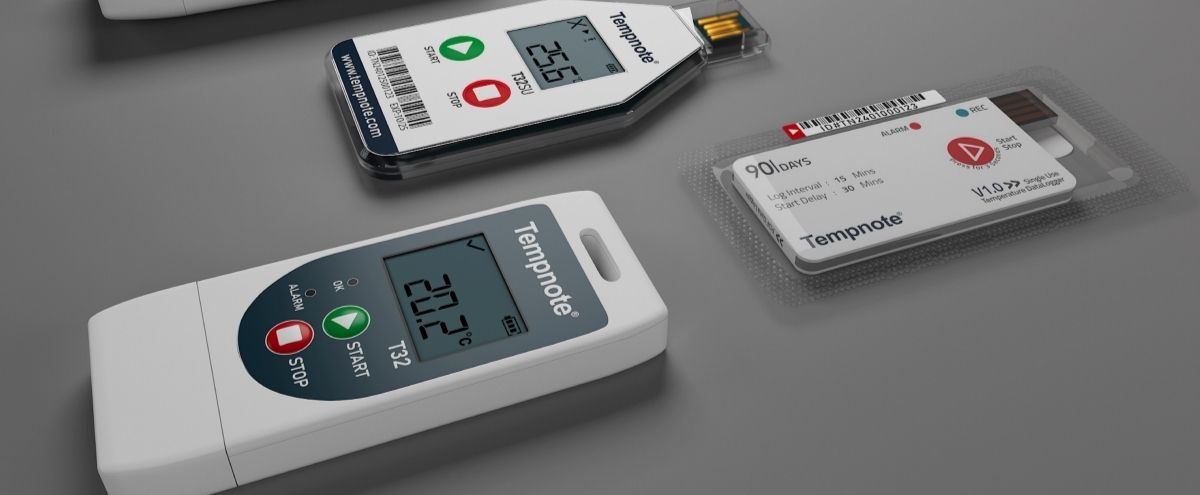
The package might go through loading areas, vehicles, warehouses, and delivery points during its transportation. A temperature-monitoring device can log conditions, so the receiving team has evidence of the temperature history of the shipment.
CDC guidance emphasizes reliable temperature monitoring for vaccines and recommends digital data loggers for continuous recording in vaccine storage.
What this really means is that insulation and monitoring serve different purposes. Packaging helps protect the product; monitoring helps you verify the conditions.
Good Thermal Box Liners can help reduce temperature exchange, but they should not be treated as a stand-alone answer to every cold-chain risk.
Your best approach is to look at the complete shipment: product requirements, liner, coolant, box configuration, transit time, outside conditions, and temperature monitoring.
Tempnote provides thermal-cover and liner options designed around different material, thickness, and temperature requirements.
Ready to review your cold-chain packaging needs? Tempnote offers a range of thermal shippers and passive temperature monitoring products. Consider your product and the conditions of the transportation to best assess Tempnote’s offerings.
Box liners are used to lessen temperature changes that may occur between a shipment and the surrounding environment. Thermal liners are used in shipments containing temperature-sensitive products.
Thermal liners by themselves will not protect the product. Many factors contribute to the protection of the product, including the insulation, coolants, the product itself, the duration of the shipment, and the external environment.
Yes, thermal box liners can be used in the shipment of temperature-sensitive pharmaceutical products as long as the other elements of the shipment (liner, coolants, container, and transport) also meet the requirements of the product.
Yes, insulated packaging may be used in vaccine shipping, provided all the packing complies with the required temperature conditions and transit period of the vaccine.
Considerations include the product temperature, transit period, outside temperature, packaging dimensions, coolants, and temperature monitoring.
