Your cart is currently empty!


Our aim is simple: to help you comprehend the essential steps required to ensure the safety of refrigerated pharmaceutical shipments and decrease the chance of temperature fluctuations during transport.
A pharmaceutical shipment can leave a cold room at the correct temperature and still face problems before it reaches its destination. Loading delays, hot vehicles, airport handling, poor packaging, or long waiting periods can expose medicines to temperatures outside their approved range.
So, how do you keep temperature-sensitive products within the 2-8°C temperature range during transport? It’s not a single product or a single step. You require appropriate cold chain packaging and thermal protection, careful handling, and dependable temperature monitoring that work together.
The 2-8°C range is widely used for refrigerated medicines and vaccines, but you should never assume that every pharmaceutical product requires this range. Always check the product label and approved storage conditions first.
WHO states that temperature control is required for time- and temperature-sensitive pharmaceutical products during transportation. Its guidance recognizes both active and passive shipping systems and calls for suitable monitoring devices to record temperature exposure.
The risk is not limited to extreme heat. A shipment can also be damaged by freezing. That is why maintaining the correct range means protecting against both high and low temperatures.
Good temperature control starts prior to the vehicle’s movement.
Verify the approved temperature range, anticipated length of time in transit, and any special instructions.
The packing you choose to use should be suitable to the volume of your shipment, the expected route as well as the expected weather conditions and the hold time that is required. The WHO guidelines recommend the use of certified cold chain containers and monitoring of pharmaceutical shipping.
Arrange to load in a timely manner. Avoid leaving refrigerated products in an uncontrolled area while waiting for arrangements to be completed.
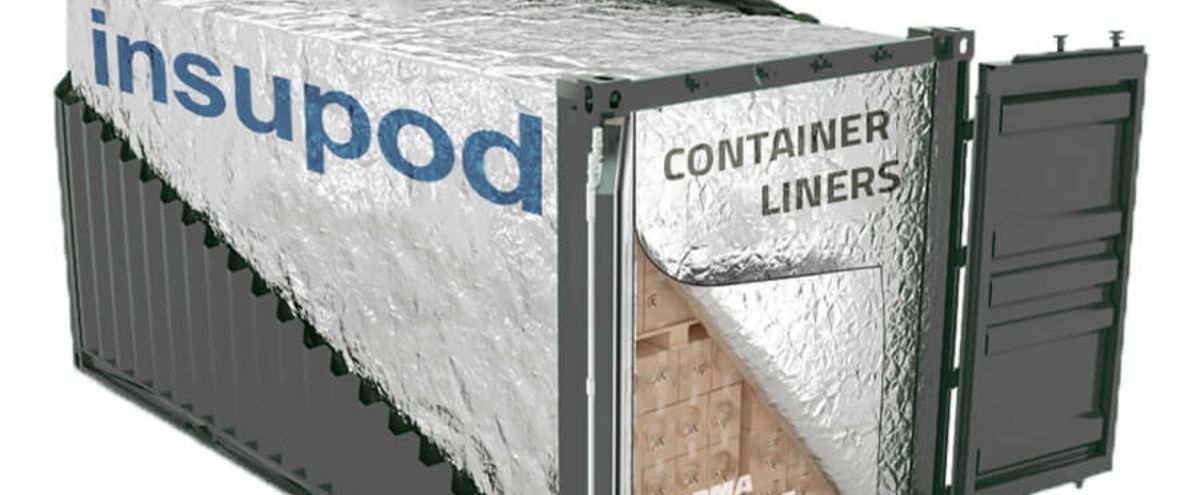
Where shipments may face short periods of outside heat or cold, a pharmaceutical thermal cover can provide an additional barrier against external temperature changes.
Make sure you follow your verified packing method instead of using a generic packing procedure.
Quick check: Product → Packaging → Coolant → Products → Logger → Seal → Thermal protection → Dispatch.
A thermal cover is a passive layer placed around temperature-sensitive cargo to reduce exposure to outside temperature changes. It doesn’t replace refrigeration, packaging that is qualified, as well as temperature-related monitoring.
For example, Tempnote lists its Insupod TC500 and TC500DBB thermal covers for 2°C-8°C applications, with listed protection of 8+ hours. The TC500 is 8 mm thick, while the TC500DBB is 20 mm thick; both are listed with 97% reflectivity.
This makes a thermal cover 2-8 degrees option worth considering when your shipment may experience brief exposure during loading, handling, or transit.
| Cold-chain measure | Main purpose |
|---|---|
| Refrigerated vehicle | Controls temperature during transport |
| Insulated packaging | Helps maintain the required thermal environment |
| Cold chain thermal cover | Adds protection from outside temperature changes |
| Temperature data logger | Records actual temperature exposure |
| Real-time monitor | Provides ongoing visibility and alerts |
For medicines and vaccines, select a thermal cover for medicines or a thermal cover for vaccines based on the product requirements, shipment size, expected exposure, and the performance of the complete packaging system.
Physical protection tells you what you intended to do. Temperature records tell you what actually happened.
Use an appropriate temperature data logger during transport and make sure it is positioned and configured according to your approved procedure WHO technical requirements for pharmaceutical shipments call for temperature recording during transport, while its current temperature-mapping guidance describes temperature mapping and monitoring as important parts of appropriate pharmaceutical storage conditions.
A good monitoring record can also help your quality team assess whether an excursion affected the product.
Do not automatically discard a shipment simply because a temperature reading falls outside the labeled range.
First, follow your quality procedure and isolate the affected product when required. Then review the temperature record, duration, product stability information, and cause of the excursion.
FDA stability guidance notes that some temporary excursions may be acceptable when supported by stability data. It also states that excursions should be documented and assessed through the appropriate quality system or risk assessment.
This is why prevention and documentation need to work together.
Imagine a refrigerated pharmaceutical pallet leaving a warehouse on a very hot day. The product is packed using qualified packaging, a thermal cover for 2- 8 degrees is added for extra protection, and a temperature logger starts recording before departure.
The truck then faces a loading delay. Instead of guessing whether the products were affected, the team can review the recorded temperature data and assess the actual exposure.
That is the practical value of combining thermal protection with monitoring.
Maintaining 2-8°C during pharmaceutical transport requires more than keeping a shipment cold at the starting point. Every aspect of the system (packaging, handling, protection, and monitoring) must support the transport requirements.
A thermal cover for the 2-8°C range can be a secondary shield against external temperature variation, but it must be part of the protection across the transport system.
Check out Tempnote’s selection of thermal covers for 2-8°C temperature protection and temperature monitoring systems for your cold chain shipping needs.
Different types of controlled temperature packaging, thermal protective packaging where required, controlled handling, and temperature monitoring during transport.
No. A thermal cover adds protection against changes in temperature outside, but requires adequate packaging and temperature control.
Perform quality procedures, review temperature data and time, and make a decision on product disposition using approved stability data.
Set a temperature data logger or monitoring system for shipment temperature recording during transport.
No. Always refer to the approved label for the product for storage or transport requirements, since transport temperature conditions can vary for different products.
