Your cart is currently empty!


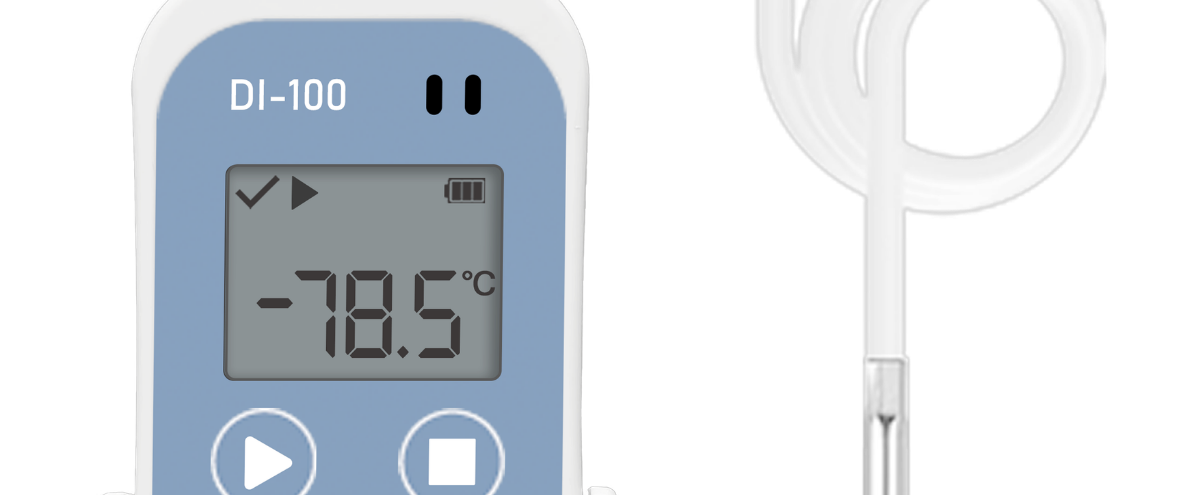
This guide will explain what Temperature and Humidity Data Logger will help pharmaceutical manufacturers, warehouses, laboratories, distributors, and cold-chain teams monitor environmental conditions, identify excursions, maintain records, and support quality processes.
What happens when a pharmaceutical shipment arrives at its destination in perfect condition and yet its temperature history indicates that it was subjected to harsh conditions for a few minutes? Without adequate surveillance, your team could be unable to discern the reason for what transpired.
Drugs can be sensitive to temperature and, in some instances, humidity during transport and storage. The United States Pharmacopeia explains that the shelf life of a pharmaceutical product is determined by the humidity and temperature conditions it encounters when it is stored and transported. Therefore, keeping track of these conditions is crucial for humidity- and temperature-sensitive products.
This is when a Temperature Humidity Datalogger is beneficial. It records the specific environmental conditions over a set period of time, which gives your warehouse, QA lab, cold-chain, and warehouse teams an accurate report to review. Tempnote provides temperature and humidity data loggers designed for temperature-sensitive goods, including pharmaceutical and cold-chain applications.
The key benefit is simple: instead of relying only on occasional checks, you can review recorded environmental data and identify potential excursions or changes that need attention.
Pharmaceutical products do not all have the same storage requirements. Vaccines, biologics, temperature-sensitive medicines, and other products may require carefully controlled conditions.
USP notes that temperature changes can affect drug stability and degradation. Its guidance also states that humidity monitoring should be based on product requirements and stability information.
A Temperature Humidity Data Logger gives your team a record of environmental conditions instead of relying only on occasional manual checks.
This matters in warehouses, cold rooms, refrigerators, laboratories, shipping containers, and other controlled areas.
A Temperature Humidity Recorder can take measurements throughout storage and transportation. If temperatures are outside of your specified boundaries, the information recorded will help your QA team determine the exact time of the event and also review the duration of the event.
This is particularly important because transport conditions can change because of delays and weather conditions, vehicle condition, doors opening, and other elements. USP points out these dangers when it comes to assessing the lanes for pharmaceutical transportation.
A Humidity Data Logger measures relative humidity as well as temperature when both parameters are required.
This gives you a broader view of the storage environment. For products with specific humidity requirements, these records can help your team assess whether conditions remained within the required range.
Manual notes can leave gaps. A digital Environmental Data Logger automatically stores readings according to its programmed interval.
For example, the Tempnote TH32 can measure temperatures from -30°C to +70°C as well as humidity between 0% and 100% RH. It stores up to 32,000 data points and can record at intervals that are adjustable between 10 seconds and 18 hours. It can also create PDF and CSV reports via USB.
A logger does not make a facility compliant by itself. However, accurate environmental records can support your existing quality procedures, investigations, and documentation.
WHO recognizes data loggers and temperature recorders as monitoring devices used across cold-chain applications.
| Application | What You Can Monitor |
|---|---|
| Pharmaceutical warehouse | Temperature and humidity in storage areas |
| Cold rooms | Environmental changes and temperature excursions |
| Refrigerators | Conditions for temperature-sensitive products |
| Pharmaceutical transportation | Conditions during shipment |
| Laboratories | Controlled environmental conditions |
| Vaccine storage | Temperature history within required limits |
For temperature-sensitive shipments, the value is simple: your team can review the recorded conditions instead of relying only on the reading available when a shipment arrives.
A humidity recorder or temperature recorder may record environmental readings, while a modern data logger can offer automated storage, alarms, digital reports, and computer-based data access depending on the model.
For example, the Tempnote TH32 includes high and low alarms, USB 2.0 connectivity, PDF/CSV reporting, a validation certificate, and EN 12830 and RTCA-DO160G certifications. Its product page also states 21 CFR Part 11 compliance.
The important point is to select a data logging solution based on your actual pharmaceutical application rather than choosing a device on price alone.
If you need a compact option for pharmaceutical storage or transport, a USB Temperature Humidity Data Logger can make data retrieval and report generation practical for routine monitoring.
A reliable Temperature Humidity Data Logger can give your team more than a series of readings. It will provide a detailed account of the conditions that your items were exposed to in storage and transport.
For pharmaceutical operations, the best approach is to match the logger to your product requirements, SOPs, monitoring plan, and quality system. Tempnote offers temperature and humidity monitoring equipment designed for use in applications that involve cold-chain monitoring and storage for pharmaceuticals.
Ready to improve your pharmaceutical environmental monitoring? Explore Tempnote’s temperature and humidity data logger options and choose a solution that fits your storage or transportation needs.
The device is electronic and can record the temperature and humidity of a room at specified intervals. The information stored in the device can later be evaluated to evaluate the conditions of the environment.
Temperature can affect the quality and stability of pharmaceutical drugs. Monitoring helps teams determine and analyze temperature fluctuations.
No. USP mentions that humidity monitoring must be based on the requirements of the product’s environment and stability details.
They are employed in refrigerators, warehouses, cold rooms, labs, and in pharmaceutical transportation when the need for environmental monitoring is a requirement.
Examine the accuracy, measurement range, and recording intervals, battery life, memory, alarms, calibration or validation records, options for reporting, and specific certifications for the application.